Posted on

Facts to Know This Winter: Heart Attack in Men vs. Women

Older Couple


Facts to Know This Winter: Heart Attack in Men vs. Women


Every 7 minutes in Canada, someone dies from heart disease or stroke (Statistics Canada, 2011c). Unfortunately, it is too often we hear of heart issues occurring in the winter, for example from shoveling snow. It is important to thoroughly understand what occurs inside the body during these incidences to know best practices on how to treat and respond to them.


Angina & Heart Disease:

Angina (chest pain) is a strong warning sign of heart disease and if left untreated will eventually lead to a heart attack, stroke and possibly death. Heart Disease is caused by plaque accumulating in the coronary arteries over time. This “plaque” is a combination of cholesterol, fat, calcium and other substances that block crucial blood flow. Without this blood flow tightness, discomfort and pressure can be felt in the chest when the body is stressed or taking part in physical activity.


Difference in Men & Women:

Women differ from men as they more commonly develop heart disease within the smaller arteries that branch out from the coronary arteries; this is referred to as “Microvascular Disease.” Microvascular disease is more commonly found in younger women and causes additional angina symptoms: shortness of breath, nausea, vomiting, abdominal pain or sharp chest pain.  

Recovery:

Recognizing signs of angina and heart disease is the first step towards recovery. Understanding risk factors, such as a family history, will be advantageous in understanding bodily changes. Seeking treatment is the second step towards recovery, and proves to save lives as 80% of heart disease is preventable.

Take the steps now to improve your personal health. Exercising regularly and eating a healthy balanced diet can do a lot for the heart! 

If you feel as if yourself or someone close to you may be at high risk for heart attack due to genetics or symptoms, consider an Automated External Defibrillator for the home. Click here for more information.


Life is Precious. Be Prepared.


Posted on

What You Should Know About Snow Shoveling and Sudden Cardiac Arrest

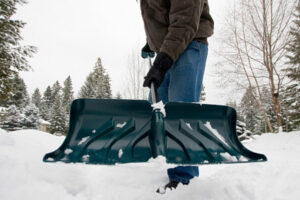
Man shoveling snow at risk of sudden cardiac arrest

There are an unsettling number of people who are rushed to the hospital with chest pain after shovelling their driveways, many of them have had a heart attack.

Although a heart attack IS an excellent excuse to get out of clearing your driveway of snow…that is not why people are getting them! The bottom line comes down to risk of cardiovascular disease (such as high blood pressure or cholesterol), and not regularly exercising.

If it’s been a while since you’ve exercised, it is best that when you do start back up, to take it slow. If someone who has not exercised in a long while wanted to get back into exercising by running a marathon, it’s just not realistic and down-right dangerous. You must work your body up to a point where it can HANDLE the 52km run. If your body isn’t ready, you will get hurt.

The true is same for shovelling snow. Shovelling snow is very intense exercise. Just think, you go to the gym to lift WEIGHT. When you shovel, you are lifting weight. Pushing and lifting, and throwing….over and over again. And the heavier the snow, the harder it is. Shovelling your driveway after a heavy snow fall is like going to the gym and working out hard for an hour or so.

This isn’t a recommendation to not shovel…on the contrary, this is a message to start exercising! The snow will fall this winter, and you will have to shovel it…you can decrease your risk of heart attack during your shovelling by exercising regularly.

But what should you do when you are shovelling and you feel chest pain?

Recognize the Signs.

Not everyone experiences a heart attack the same, you may not feel the “typical” symptoms.

  • Pain or pressure in the chest
  • Pain in your jaw
  • Nausea (like you need to vomit)
  • Pain shooting down your arm
  • Overall feeling of being unwell

 If you feel any of these, stop what you are doing, and CALL 911.

How can you prevent a heart attack during snow shovelling?

Before You Shovel…

  • Talk to your doctor before the snow starts falling
  • Avoid shoveling right after you wake up as most heart attacks occur early in the morning when blood is more prone to clotting
  • Do not eat a heavy meal before shoveling
  • Warm up before starting by walking, marching in place and/or doing light stretching
  • Do not drink coffee or smoke at least one hour before. These elevate your blood pressure and heart rate

While You Shovel…

  • Try to shovel when the snow is light and powdery
  • Use a smaller shovel…it’s lighter when you lift
  • Wear light, layered, water-repellent clothing provides both ventilation and insulation. It is also important to wear a hat, as well as mittens or gloves and thick, warm socks
  • Avoid falls by wearing shoes or boots that have slip-resistant soles
  • Take regular breaks, you don’t have to finish the entire driveway in one go
  • Drink lots of water to prevent dehydration
  • If you feel pressure, pain or tightness in your chest, or discomfort spreading to your shoulders, neck, jaw, arms, or back, call 911 immediately

And if you are in doubt, or have already suffered a heart attack…just hire someone to do the driveway for you. You can always watch from the window as you drink some hot cocoa.