Posted on

Tips on Preparing Your Cottage for Summer

Boating at the Cottage

Tips on Preparing Your Cottage for Summer

Summer is just around the corner and at First Aid Canada we want you to be fully prepared to make the most of it.

Cottages are a great way to escape the bustle of the city and spend tranquil time amongst nature. Because being in a cottage can leave you quite secluded and far from resources such as doctors or paramedics it is important to prepare yourself for emergencies to avoid pain, trauma and hospital visits.

In addition to our fully stocked Cottage Kit, which comes in both Standard and Deluxe sizes, there are a few kits highly reccomended by first aid Canada, depending on your lifestyle:

Adventure First Aid Kit

For all of the adventurers out there, there is a kit specifically for you! This First Aid Kit is specifically designed to treat various injuries occuring in an outdoor setting, optimal for treating minor injuries such as cuts and scrapes. In addition to treatment supplies this kit also consists of supplies to prevent blisters, sun damage and insect bites.

Hikers’ First Aid Kit

The Hikers’ First Aid Kit is available in two different sizes; both Standard and Deluxe. Because hiking can bring you to some very remote locations it is important to prepare yourself for risks involved. These kits contain the recommended and additional first aid supplies to treat serious wounds and trauma related injuries in an outdoor setting. These kits also contain items to treat smaller injuries such as, insect bites, blister care and sun care.

Wilderness First Aid Kit

Being compact and lightweight the Wilderness First Aid Kit is optimal for treating injuries in an outdoor setting. If you enjoy taking day trips away from the cottage this is a great option as it contains items to treat both serious and minor injuries. 

Water Sports First Aid Kit

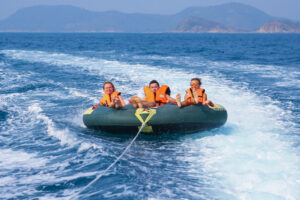
The Water Sports First Aid Kit is available in two different sizes depending on the size of your boat and/or your sporting needs and requirements. These kits offer an extensive assortment of first aid, emergency treatment and patient discomfort supplies for quick response to injuries and sickness that may occur in an outdoor water setting.

Lastly, if in addition to first aid needs heart health is a concern of yours having an Automated External Defibrillator onsite at the cottage could mean the difference between life and death. To learn more about which life-saving device would be right for you, click here.

If you have any questions or concerns regarding your first aid needs please do not hesitate to contact the first aid Canada team.

Life is Precious. Be Prepared.

Beach Volleyball

Safety Tips for Canadian Summer Camps

Summer is almost here and we know that means your little ones are looking forward to attending Summer Camp or you, yourself have the joy of working or volunteering at one! Did you know First Aid Canada is a Preferred Vendor of the Ontario Camps Association?

Canada is a beautiful country to explore and discover which is why we want to minimize any possibilities of leaving the great outdoors to see a doctor or head to the hospital. By being fully prepared and stocked with first aid supplies injuries can be minimized, and hospital visits can be avoided entirely!

The most common kits used by Canadian summer camps are the Provincial First Aid Kits. Each Province within Canada requires a different kit based on the amount of people working at a specific place, the type of work and the establishments radius from emergecy medical care. To view the contents of the Provincial Regulation First Aid Kits, click here.

In addition to Provincial Regulation First Aid Kits, the following products are often reccomended:

Other smaller kits, great for day trips from camp are:

Posted on

Tips for Safe Hiking

Canadian Hikers in the Wilderness+

With the weather heating up, especially in Western Canada many people find themselves heading out for hikes. Whether your hiking path is short or long it is important to remember these safety tips:

 1. Bring Enough Food and Water

Hiking causes your body to expend a significant amount of energy even when your hike is short. Be sure to bring enough food to feed not only your energy levels, but others you are hiking with as well. In case of an emergency you do not want to be put into a lengthy situation without food. Water is just as important as brining food on your hike as it will keep you hydrated. Be sure to bring extra water on warmer days as your body will be releasing more fluids in attempt to regulate body temperature.

 2. Ensure Good Physical Condition

Prior to heading out for a hike check conditions and trail ratings. Never out yourself into a situation you aren’t physically fit enough for. This reduces chances of injuries at all levels. If you desire a certain trail to venture onto, but feel you aren’t ready for it make it a goal to go in a few weeks after you have attempted easier trails first.

 3. Check Conditions

Weather can make a huge difference on the difficulty and danger levels of a hike. Opt for hiking in moderate and mild temperatures and avoid days with extreme hot or cold warnings. Another important condition to check before heading out is whether or not animals have been sighted in the area or if there is an overall warning for cougars or bears. If you choose to continue to head out in these areas bring necessary equipment to keep yourself safe from these animals if you happen to cross paths, i.e. bear spray.

 4. Stay Alert

As mentioned above it is important to stay alert for animals in the woods. Avoid hiking with headphones in as this could prevent you from hearing something important while hiking. Signs and warnings are also things to stay alert for on a hike, this can include: warning signs for mud or rockslides, dangerous areas, animals, cliffs, etc.

 5. Make a Checklist

Before heading out make a checklist for items necessary to bring on your hike. Examples can and should include:

The Hikers’ First Aid Kit (available in a Standard and Deluxe version) is a perfect addition to any hike or adventure as the kit is small and compact. Although these kits are small and easy to carry they contain all of the necessary supplies an individual would need for basic hiking related injuries.

Lastly, it is very important to let someone know where and when you are going for a hike. Let the individual know when you expect to arrive home and call to check in.

Wishing you a safe and happy hike! 

Life is Precious. Be Prepared.