Posted on

Surviving the Heat: Understanding the Risks to Your Heart

As the summer sun beats down relentlessly, it’s crucial to be aware of the dangers posed by extreme heat, especially if you have underlying heart conditions. Heatwaves not only test our endurance but also place significant stress on our cardiovascular systems, increasing the risk of heart attacks, cardiac arrest, and strokes. Understanding these risks and taking proactive steps before an adventure, such as investing in an AED and learning CPR/First Aid Training, can make all the difference in staying safe this summer.

Heart Conditions and Heat: A Dangerous Combination

Extreme heat affects everyone, but those with heart conditions are particularly vulnerable. Here’s why:

1. Increased Heart Rate and Blood Pressure: High temperatures cause our bodies to work harder to maintain a normal temperature. This can lead to an increase in heart rate and blood pressure, placing added stress on the heart.

2. Dehydration: Sweating excessively in hot weather can quickly lead to dehydration, which reduces blood volume and makes the heart work even harder to pump blood through the body.

3. Electrolyte Imbalance: Sweating also depletes essential electrolytes like potassium and sodium, which are crucial for maintaining heart function.

4. Vasodilation: Heat can cause blood vessels to dilate, which may lead to a drop in blood pressure and a strain on the heart to compensate.

Understanding the Risks

Heart Attack: Heat increases the likelihood of a heart attack due to the added stress on the cardiovascular system and the strain placed on the heart.

Cardiac Arrest: The combination of dehydration, electrolyte imbalances, and increased workload on the heart can trigger a sudden cardiac arrest, particularly in individuals with existing heart conditions.

Stroke: Heat can also lead to dehydration, which is a significant risk factor for stroke. Dehydrated blood is thicker and more likely to form clots, which can block blood flow to the brain.

Owning an AED is invaluable for cardiac arrest, heart attack, and stroke as it allows for rapid defibrillation to restore normal heart rhythms, provides clear CPR instructions for effective chest compressions, and bridges the critical gap between an emergency occurring and professional medical help arriving, significantly improving survival rates and reducing potential long-term complications. 

Precautionary Steps to Avoid Overheating

Stay Hydrated: Drink plenty of fluids throughout the day, even if you don’t feel thirsty. Avoid excessive alcohol and caffeine, which can contribute to dehydration.

Stay Cool: Spend time in air-conditioned spaces during the hottest parts of the day. If you don’t have air conditioning at home, consider investing in a handheld fan to keep on you at all times, or visiting public places with cooler air, like a nearby coffee shop or shopping mall.

Dress Appropriately: Wear lightweight, loose-fitting clothing in light colours to reflect heat and sunlight.

Limit Physical Activity: Avoid strenuous activities during peak hours (usually midday to late afternoon). If you must exercise, try to keep it indoors or do so in the early morning or evening when it’s cooler outside.

Know the Signs: Be aware of symptoms of heat-related illness, such as excessive sweating, dizziness, nausea, and rapid pulse. Seek medical attention if you or someone else shows signs of heat exhaustion or heat stroke.

As temperatures soar, it’s crucial to prioritize your heart health and take precautions against extreme heat. Whether you have a pre-existing heart condition or not, understanding the risks and being prepared with knowledge of CPR and First Aid Training, and tools like an AED, can make all the difference in staying safe and enjoying a healthy summer.

Stay cool, stay hydrated, and stay informed—your heart will thank you for it.

Posted on

February is Heart Month

What is Heart Month?  For over 60 years the Heart and Stroke Foundation has organized Heart Month. It is has become one of the largest fundraising campaigns in Canada. February is widely recognized as the month of love. Ahem, Valentine’s Day. It will come as no surprise that February is also a month dedicated to raising awareness for cardiovascular health. While it may be endearing to have your heart skip a beat for the love of your life or for your breath to be taken away, make sure the experience is one of love and not that of oxygen loss or abnormal heart rhythm. Heart disease is a general term that refers to the heart not working the way it should. Various forms of heart disease are present at birth, while other forms develop as we age. Practicing a healthy lifestyle and staying up to date with medical research, resources and care are critical components to reducing heart disease and living your best heart-healthy life. Get Involved

  • Start with the basics… wear red to raise awareness
  • Eat heart-healthy foods (2019 Canada’s Food Guide)
  • Reduce stress by practicing age-appropriate physical activity
  • Prepare for heart health emergencies with the purchase of an AED 
  • Get screened for risk factors. Understand your unique risks.
  • Become an organ donor and/or donate blood at your nearest clinic
  • Learn CPR. Get certified. Contact First Aid Canada.
  • Limit alcohol and tobacco consumption
  • Promote overall wellness with a healthy sleep schedule

Did you know? Cardiac arrest – a potential symptom of a heart attack and stroke – occurs when electrical activity in the heart malfunctions. This can happen suddenly and without warning. It is important that you and your family, friends and coworkers learn CPR because with a combination of dialing 911, early CPR and defibrillation you can increase the chance of survival by 75% or greater when performed on someone suffering from cardiac arrest. In the spirit of February being Heart Month, First Aid Canada is offering reduced pricing and free shipping on all AED orders! Shop now while supplies last.  Follow us on Instagram  for more heart healthy tips, tricks and interesting facts.

Life is Precious. Be Prepared.

Posted on

Stroke Awareness: Signs & Symptoms

Xray holding brain

Stroke Awareness: Signs & Symptoms

A stroke is a sudden loss of brain function. There are two main types of stroke, this includes an ischemic stroke, caused by the interruption of blood flow to the brain or a hemorrhagic stroke, caused by the rupture of blood vessels within the brain. Brain damage can occur from stroke because neurons of the affected area of the brain can die when they are deprived of oxygen and nutrients. When facing a stroke every second counts. By recognizing symptoms and acquiring treatment you can save yourself from brain damage. By knowing and understanding these symptoms one can be prepared to take hurried action and perhaps save a life – possibly even your own life. Here are the most prevalent symptoms in both men and women: Numbness – Sudden numbness in face or limbs, especially on only one side of the body. Confusion – Sudden confusion or difficulty understanding speech. Vision – Sudden unexplainable blurred vision or loss of sight in one or both eyes. Dizziness – Dizziness leading to loss of balance or lack of coordination. Headache – Sudden severe headache with no explanation. Remember to act F.A.S.T: F – Face: Ask the individual to smile. Does one side of their face drop? A – Arms: Ask the person to raise both arms. Does one arm drift downwards? S – Speech: Ask the person to repeat a simple phrase. Is their speech slurred or jumbled? T – Time: If you observe any of these signs, call 9-1-1 immediately It is important to remember the facts above because unfortunately every 7 minutes in Canada, someone dies from heart disease or stroke (Statistics Canada, 2011c), making it the third leading cause of death in Canada (Statistics Canada, 2012). We pray you and your family and friends are never faced with this issue. May you have any questions on first aid or safety please feel free to contact the First Aid Canada Team: 1-855-322-4243.

Life is Precious. Be Prepared.

Posted on

All About the Signs and Symptoms of Stroke

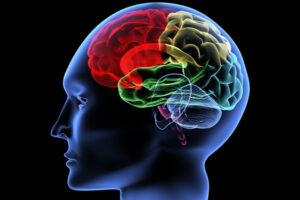
Brain

All About the Signs and Symptoms of Stroke

A stroke is a sudden loss of brain function. There are two main types of stroke, this includes an ischemic stroke, caused by the interruption of blood flow to the brain or a hemorrhagic stroke, caused by the rupture of blood vessels within the brain. Brain damage can occur from stroke because neurons of the affected area of the brain can die when they are deprived of oxygen and nutrients.

When facing a stroke every second counts. By recognizing symptoms and acquiring treatment you can save yourself from brain damage.

By knowing and understanding these symptoms one can be prepared to take hurried action and perhaps save a life – possibly even your own life. Here are the most prevalent symptoms in both men and women:

Numbness – Sudden numbness in face or limbs, especially on only one side of the body.

Confusion – Sudden confusion or difficulty understanding speech.

Vision – Sudden unexplainable blurred vision or loss of sight in one or both eyes.

Dizziness – Dizziness leading to loss of balance or lack of coordination.

Headache – Sudden severe headache with no explanation.

Remember to act F.A.S.T:

F – Face: Ask the individual to smile. Does one side of their face drop?

A – Arms: Ask the person to raise both arms. Does one arm drift downwards?

S – Speech: Ask the person to repeat a simple phrase. Is their speech slurred or jumbled?

T – Time: If you observe any of these signs, call 9-1-1 immediately

It is important to remember the facts above because unfortunately every 7 minutes in Canada, someone dies from heart disease or stroke (Statistics Canada, 2011c), making it the third leading cause of death in Canada (Statistics Canada, 2012). We pray you and your family and friends are never faced with this issue. May you have any questions on first aid or safety please feel free to contact the First Aid Canada Team: 1-855-322-4243.

Life is Precious. Be Prepared.